
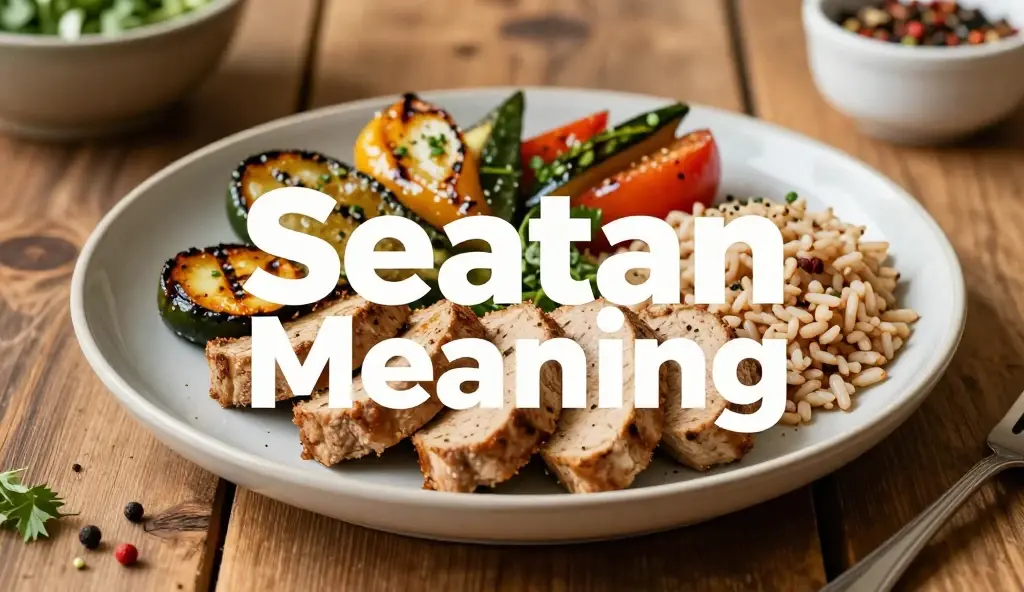
Seitan has a firm, chewy texture. It can take on the taste of sauces, spices, and marinades.
For this reason, cooks use it in dishes that would normally contain chicken, beef, or another type of meat.
The word is common in vegan and vegetarian cooking. However, seitan is not suitable for everyone.
Since its main ingredient is wheat gluten, people with celiac disease, wheat allergies, or certain gluten-related conditions need to avoid it. icle explains the seitan meaning in simple words.
You will also learn how to pronounce it, what it is made from, where the name came from, and how it differs from tofu and tempeh.
Quick Answer
Seitan is a plant-based food made mainly from wheat gluten. It has a firm, chewy texture and is often used instead of meat in vegan and vegetarian meals. The word is pronounced “SAY-tan.” Seitan contains wheat, so it is not safe for a gluten-free diet. Quick Meaning Table
| Detail | Meaning |
| Term | Seitan |
| Main meaning | A food made from wheat gluten |
| Part of speech | Noun |
| Pronunciation | SAY-tan |
| Main ingredient | Wheat gluten |
| Usage | A plant-based substitute for meat |
| Example | “We added seitan to the vegetable stir-fry.” |
What Does Seitan Mean?
Seitan means a food made from wheat gluten. People usually season and cook it before adding it to meals.
Merriam-Webster defines seitan as flavored wheat gluten that people often use as a meat alternative. Cambridge Dictionary describes it as a high-protein wheat food used in cooking instead of meat. oes not name a type of animal meat. It is a plant-based food, even though its texture can feel similar to meat.
You may see seitan in:
- Stir-fries
- Sandwiches
- Wraps
- Curries
- Stews
- Kebabs
- Vegan burgers
- Plant-based sausages
- Meat-free chicken products
Its mild flavor allows it to absorb sauces and seasonings easily.
Seitan Meaning in Simple Words
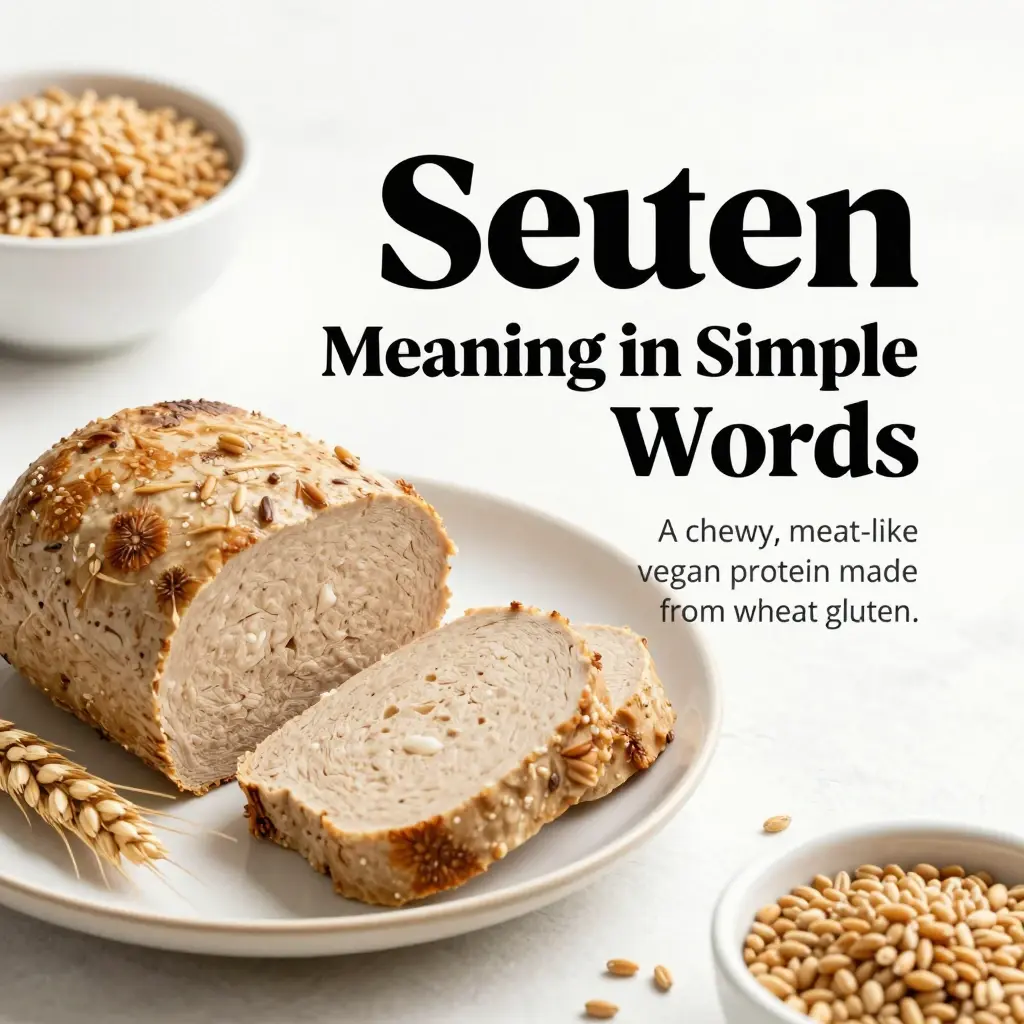
In simple words, seitan is wheat protein that has been turned into a firm food.
Wheat flour contains starch and protein. The protein includes gluten. Traditional seitan can be made by washing wheat dough with water until much of the starch comes out. The gluten-rich part remains. It can then be seasoned, shaped, and cooked. think of seitan as a chewy piece of wheat protein used in place of meat.
For example:
“The restaurant uses seitan instead of chicken in this sandwich.”
This sentence means the sandwich contains a wheat-based meat substitute.
Is Seitan a Word or an Abbreviation?
Seitan is a complete word. It is not an abbreviation or an acronym.
The letters do not stand for a longer English phrase. For that reason, seitan does not have a “full form” like LOL, RSVP, or SMH.
It is a noun that names a type of food. Cambridge Dictionary lists it as an uncountable noun. This means people usually say “some seitan” rather than “a seitan.”
“We cooked some seitan for dinner.”
Less natural:
“We cooked a seitan for dinner.”
You may still see people use the word in different ways when talking about individual pieces or packaged products.
What Is Seitan Made From?
Seitan is made mainly from wheat gluten.
Gluten is a group of proteins found naturally in wheat. It helps dough stretch and hold its shape. Seitan uses this protein-rich part of wheat as its base. an make seitan in two main ways:
Washing Wheat Dough
A cook mixes flour and water to form dough. The dough is washed several times to remove much of its starch. The stretchy gluten remains.
Using Vital Wheat Gluten
Many home cooks use vital wheat gluten flour. They mix it with water, broth, herbs, and spices. They then steam, simmer, bake, or fry the dough.
Packaged seitan may also contain:
- Salt
- Soy sauce
- Vegetable broth
- Garlic
- Onion
- Spices
- Oil
- Natural flavors
Ingredients can vary by product. Check the label when you have allergies or follow a special diet.
Is Seitan Meat?
Seitan is not meat. It comes from wheat rather than an animal.
However, many people call it a meat alternative, meat substitute, or wheat meat because of its texture and use in cooking. Merriam-Webster calls it a meat analogue, which means a food designed to work like meat in a meal. pared well, seitan can be:
- Firm
- Chewy
- Tender
- Shredded
- Sliced
- Grilled
- Fried
Its final texture depends on how it is mixed and cooked.
Seitan does not naturally taste exactly like chicken or beef. Most of its flavor comes from seasonings, marinades, broth, and sauces.
Is Seitan Vegan?
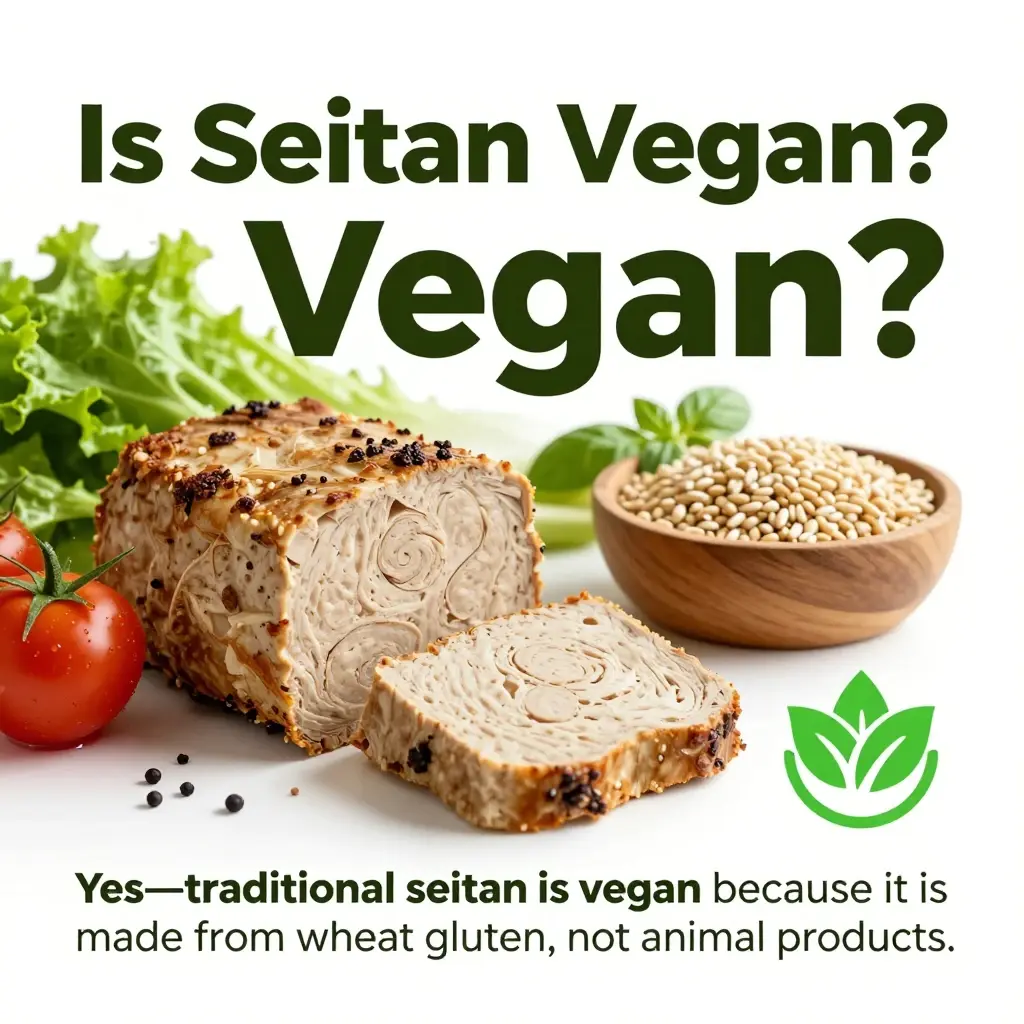
Plain seitan is vegan because it is made from wheat and other plant-based ingredients.
Vegans and vegetarians often eat it as a source of plant protein or as an alternative to animal meat. Cambridge Dictionary describes seitan as a wheat food used instead of meat, while Harvard’s Nutrition Source identifies it as a popular vegan high-protein food. a meal containing seitan is not always vegan. A restaurant may cook it with:
- Butter
- Eggs
- Dairy-based sauce
- Honey
- Meat broth
Check the full ingredient list when buying prepared food. You can also ask restaurant staff how they make the dish.
Is Seitan Gluten-Free?
No. Seitan is not gluten-free.
Seitan is made mainly from wheat gluten. It contains a large amount of the exact protein that a gluten-free diet removes. Beyond Celiac states that people with celiac disease should avoid seitan and choose gluten-free alternatives instead. s generally not suitable for people with:
- Celiac disease
- Wheat allergy
- Diagnosed gluten sensitivity
- A medically required gluten-free diet
Tofu and some types of tempeh may be better options, but you should still check labels for added ingredients and cross-contact warnings.
People who have concerns about gluten should speak with a qualified healthcare professional before making major diet changes.
How to Pronounce Seitan
Seitan is commonly pronounced:
SAY-tan
The first part sounds like the word “say.” The second part sounds close to “tan.”
Cambridge Dictionary gives the pronunciation as /ˈseɪ.tæn/. Merriam-Webster also places the main stress on the first part of the word. n two parts:
SAY + tan
The pronunciation can sound similar to “Satan,” but the two words have different spellings and completely different meanings.
Origin of the Word Seitan
The history of the food is older than the modern word used for it. Wheat-gluten foods have long appeared in Asian cooking, especially in meat-free Buddhist food traditions. ern histories credit Japanese macrobiotic teacher George Ohsawa with creating or popularizing the name seitan around 1961. A detailed historical account from the SoyInfo Center also connects the word with Ohsawa and that period. dictionary records do not fully agree on the exact origin. Merriam-Webster lists the etymology as unknown and records the first known English use in 1968. reful explanation, it is best to say that the modern name became known during the 1960s, while wheat-gluten foods existed much earlier.
How to Use Seitan in a Sentence
Here are ten natural examples:
- “I ordered the seitan sandwich for lunch.”
- “She added sliced seitan to the stir-fry.”
- “This seitan has a firm and chewy texture.”
- “We marinated the seitan before grilling it.”
- “The café serves tacos filled with spicy seitan.”
- “Seitan can absorb the flavor of a rich sauce.”
- “He chose seitan instead of chicken.”
- “The recipe uses seitan as a plant-based protein.”
- “Check the label because seitan contains wheat gluten.”
- “They served roasted vegetables with seasoned seitan.”
The word normally refers to the food itself. It is not a verb, adjective, or slang expression.
Conversation Examples
At a Restaurant
Emma: What is seitan?
Noah: It is a wheat-based food that people use instead of meat.
Emma: Does it taste like chicken?
Noah: The seasoning may taste similar, but seitan has its own texture.
At a Grocery Store
Lily: Can I eat this seitan on a gluten-free diet?
Ava: No. Seitan is made from wheat gluten.
Lily: I will look for tofu instead.
Ava: Good idea. Just check the tofu label too.
Seitan Synonyms and Similar Terms
Several words and phrases have meanings close to seitan. They do not always describe the exact same product.
Wheat Gluten
Wheat gluten names the main protein ingredient in seitan. People sometimes use “wheat gluten” and “seitan” as similar terms, but seitan usually means the cooked and seasoned food.
Wheat Meat
“Wheat meat” is an informal name for seitan. It refers to the food’s wheat base and meat-like texture.
Mock Meat
Mock meat is a broad term for food made to look, taste, or cook like meat. Seitan is one type of mock meat.
Meat Alternative
A meat alternative is any food used in place of meat. Seitan, tofu, tempeh, beans, and some plant-based burgers can all fit this group.
Meat Analogue
“Meat analogue” is a more formal term for a product that copies some qualities of meat. Merriam-Webster uses this phrase in its seitan definition. Seitan vs. Tofu
Seitan and tofu are both common meat alternatives, but they come from different plants.
| Seitan | Tofu |
| Made from wheat gluten | Made from soybeans |
| Firm and chewy | Soft, firm, or silky |
| Contains gluten | Usually gluten-free by itself |
| Often used for meat-like texture | Used in savory and sweet dishes |
Tofu can be a better option for someone who must avoid gluten. However, sauces and seasonings added to tofu may still contain wheat, so checking the label remains important.
Seitan vs. Tempeh
Tempeh is another plant-based food, but it is not the same as seitan.
Tempeh is traditionally made from fermented soybeans. It has a firm texture and a mild, nutty taste. Seitan comes from wheat gluten and often has a smoother, chewier texture.
Both foods can be used in:
- Bowls
- Sandwiches
- Stir-fries
- Curries
- Salads
- Grilled dishes
The right choice depends on taste, texture, allergies, and dietary needs.
Common Confusions
Seitan vs. Satan
The words look and sound similar, but they have no shared meaning.
Seitan is a wheat-based food.
Satan is a religious name or figure.
Always include the letter e after the s when writing the food name:
S-e-i-t-a-n
Seitan vs. Vital Wheat Gluten
Vital wheat gluten is the dry flour-like ingredient often used to make seitan. Seitan is the prepared food made after that ingredient is mixed, seasoned, and cooked.
Seitan vs. Gluten-Free Meat
Some people see the words “plant-based” and assume the food is gluten-free. That is not true for seitan. Plant-based describes where the food comes from. It does not mean the product contains no gluten.
Seitan vs. Soy
Seitan comes from wheat, not soy. Plain seitan can offer an option for some people who avoid soy. However, many packaged versions contain soy sauce, so checking the ingredients matters.
Frequently Asked Questions
What is the simple meaning of seitan?
Seitan is a firm, chewy food made from wheat gluten. People often season and cook it as a plant-based replacement for chicken, beef, or other meat. It is common in vegetarian and vegan meals.
What does seitan taste like?
Plain seitan has a mild taste. It takes on the flavor of the broth, sauce, herbs, and spices used during cooking. It may taste smoky, spicy, savory, or sweet depending on the recipe.
How do you pronounce seitan?
Seitan is pronounced “SAY-tan.” The first part sounds like “say,” and the second sounds like “tan.” Cambridge Dictionary gives the pronunciation as /ˈseɪ.tæn/. eitan made from soy?
No. Seitan is made from wheat gluten, not soybeans. However, some prepared seitan contains soy sauce or other soy ingredients. Check the package when you need to avoid soy.
Is seitan the same as tofu?
No. Seitan comes from wheat gluten, while tofu comes from soybeans. Seitan usually has a chewier texture. Tofu can have a soft, silky, or firm texture depending on the type.
Is seitan suitable for a gluten-free diet?
No. Seitan is not suitable for a gluten-free diet because wheat gluten is its main ingredient. People with celiac disease or other medical reasons for avoiding gluten should not eat it. eitan vegan or vegetarian?
Plain seitan is both vegan and vegetarian. It contains plant-based ingredients rather than meat. Prepared dishes may contain dairy, eggs, honey, or meat broth, so always check the complete recipe.
Why is seitan called wheat meat?
People call seitan “wheat meat” because it comes from wheat and can have a chewy, meat-like texture. Cooks often use it in recipes that would normally contain chicken, beef, or pork.
Where can you buy seitan?
You may find seitan in supermarkets, health-food stores, vegan shops, and some Asian grocery stores. It may be sold in refrigerated, frozen, canned, or shelf-stable packages, depending on the brand.
Is seitan a slang word?
No. Seitan is not normally used as slang. It is a standard food term that names a product made from wheat gluten. Its spelling sometimes causes jokes because it sounds similar to “Satan.”
Conclusion
Seitan means a firm, plant-based food made mainly from wheat gluten. People use it as a meat alternative because it has a chewy texture and absorbs many flavors. The word is pronounced “SAY-tan.” Although plain seitan is vegan, it is not gluten-free and should be avoided by people who cannot safely eat wheat gluten. Do not confuse seitan with tofu, tempeh, or Satan. The surrounding food label, menu, or recipe will usually make its meaning clear.

English Education Specialist creating informative content focused on language learning and communication.